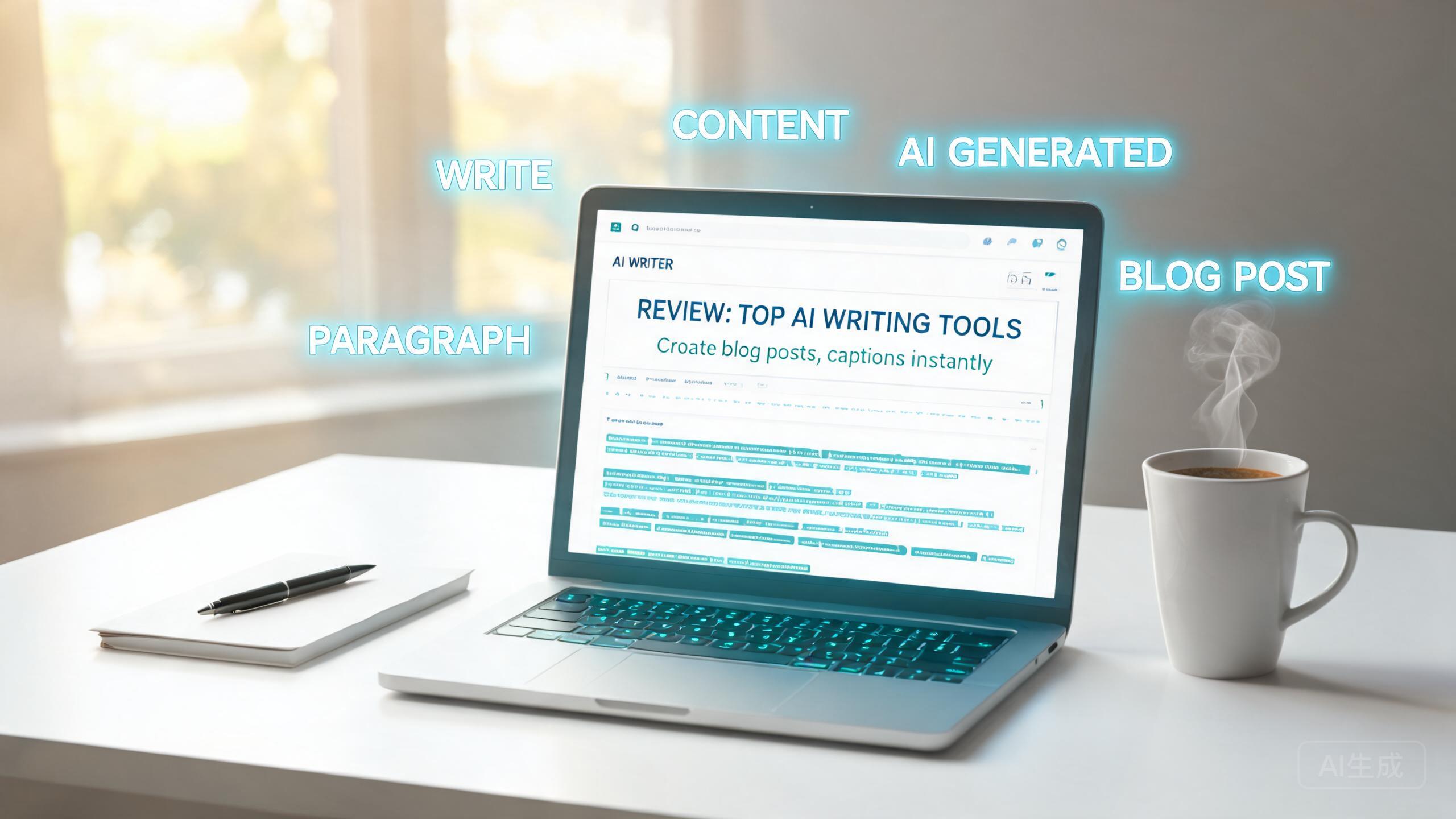
Six months ago, the dominant conversation in AI writing was about volume: how many blog posts, product descriptions, or emails could a tool crank out with one prompt. The conversation in late 2026 has shifted dramatically toward quality, context, and trust. Content teams are discovering that the tools that feel magical in a demo can be a liability at scale — and the ones that last are the ones that fit into an existing editorial workflow without breaking it.
From Raw Generation to Managed Workflows
The clearest trend is a move away from treating AI as a one-shot generator and toward treating it as a stage in a larger pipeline. Modern content stacks pair drafting tools with fact-checking layers, style enforcement, and human review checkpoints. The winning products are no longer judged by the impressiveness of a single output, but by how well they slot into the production line a team already runs.
This has real consequences for budgets. Teams are spending less on “AI that writes” and more on “AI that coordinates” — tools that understand an organization’s tone guide, audience segments, and review process. Drafting is becoming commoditized; orchestration is where the differentiation now sits.
Discovery Is the New Battleground
With search engines increasingly serving answers generated at query time, content teams are rethinking what “content” is for. The synthetic era rewarded churning out keyword-stuffed pages. That approach now produces diminishing returns — not just because algorithms got smarter, but because readers have better tools to filter noise.
Original research, first-person experience, and genuinely useful data are back in fashion. AI-assisted writers are the ones who can gather and synthesize that material quickly; the machine is an accelerator, not a substitute for having something worth saying.
Trust and Transparency Are Being Formalized
Two things changed that didn’t exist a couple of years ago: clearer disclosure norms and a more skeptical audience. Editorial teams are adopting explicit policies about which parts of a piece are machine-drafted and which are human-edited. Meanwhile, typos and factual drift that used to be ignored are now being tracked by third-party tools that audit generated content.
The result is a healthier ecosystem. AI content that is used as a scaffold for genuine expertise performs well; content generated purely to game systems is being caught more reliably than ever.
What Content Teams Should Do Now
If you’re building an AI-assisted content operation in late 2026, the practical guidance is consistent:
- Invest in brand memory. The tools that understand your voice over time beat generic generators every time.
- Build review into the pipeline. A human checkpoint is not a cost; it is the feature that keeps your content credible.
- Lead with originality. When everyone can draft, the advantage goes to those with unique data and experience.
- Publish the process. Audiences reward transparency about how content is made.
The Bottom Line
AI writing has stopped being about replacing writers and started being about restructuring how writing happens. The tools that win will be the ones that make editorial teams more productive while making their output more trustworthy — not the ones that produce the most words with the fewest clicks.