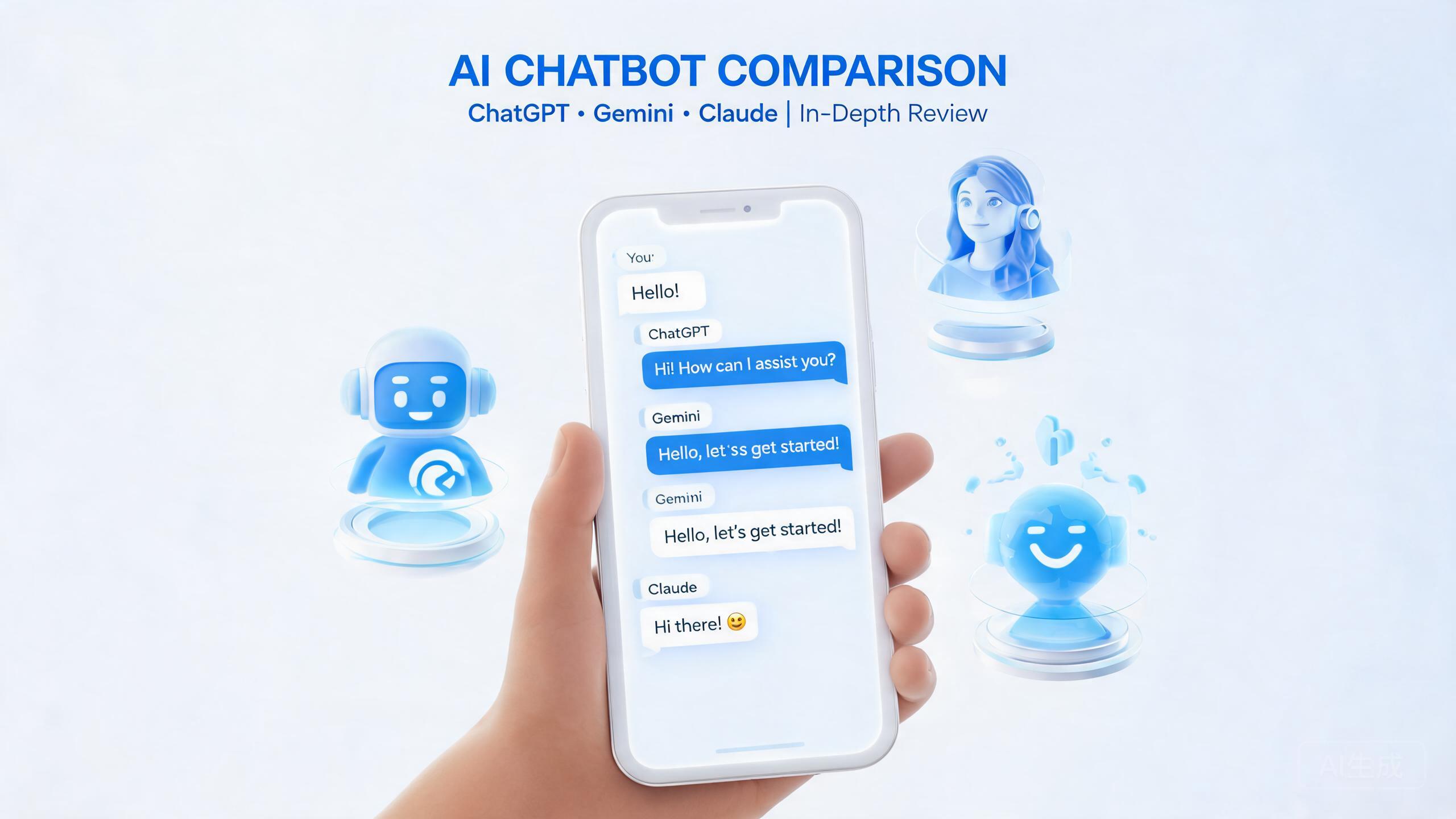
Chatbots in 2026 are a far cry from the chunky, context-free assistants of a few years ago. The most interesting shifts are not in raw conversational skill — though that has improved too — but in memory, personalization, and the quiet expansion of what an assistant is allowed to do on a user’s behalf. The category is hardening from a novelty into infrastructure.
Memory Changes Everything
The biggest leap this year has been durable memory. Modern assistants can carry context across sessions, remembering preferences, prior decisions, and ongoing projects. That single change transforms the experience: instead of restating your needs every conversation, you pick up where you left off. Early doubts about whether memory would make things creepy or useful have largely settled on “useful, when scoped well.”
Scoping is the operative word. The best assistants make clear what they remember and give users obvious controls to review or clear that memory. Trust is built less by capability and more by transparency about how context is stored and used.
From Answers to Actions
Assistants are gradually earning the ability to act, not just answer. With explicit permission, they can draft and send messages, book a slot in a calendar, update a task list, or compile a report from linked sources. The governing pattern is stepped authorization: the assistant proposes, the user approves, and only then does it execute.
This is where design matters most. The assistants gaining real adoption are the ones that explain what they’re about to do, ask before doing it, and make it easy to revert. Autonomy without accountability is the fastest way to lose trust — and the market is learning that fast.
Multimodal Assistance at the Edge
Another visible trend is assistance that isn’t text-only. Users can now point a camera at a document, a recipe, or a piece of hardware and get context-aware guidance. Combined with voice, these multimodal assistants are becoming genuinely ambient — present in the moment rather than confined to a chat window.
How to Choose an Assistant in 2026
- Check the memory model. Look for clear controls to view and clear retained context.
- Demand stepped permission. An assistant that acts without asking is a risk, not a convenience.
- Test real workflows. A great demo that can’t handle your actual calendar or docs isn’t useful.
- Weigh where data lives. For sensitive work, self-hosted or on-device options matter.
The Bottom Line
Chatbots have grown up from question-answer machines into memory-equipped, permission-aware assistants that can act on your behalf. The ones that thrive are transparent about what they remember and what they’ll do — and the ones that ignore those constraints are already being left behind.